


New publications


 GET UPDATES


Latest documents in the library
 AI and the youth sector (animated video series)
- Shaping youth policy in practice report 2023
- Contribution to the EU Youth Wiki (Chapter V: Participation):
- Contribution to the EU Youth Wiki (Chapter III: Employment and entrepreurship):
- Report on the seminar on young people's political participation (2023)
- Draft report: Growing youth work in Eastern and Southeast Europe regional seminar
- Contribution to the EU Youth Wiki (Chapter VII: Health and well-being): Moldova (Republic of)
- Contribution to the EU Youth Wiki (Chapter IV: Social inclusion): Moldova (Republic of)
- Young people's participation and digitalisation: opening up space for new forms of political participation?, by Adina Marina Șerban and Demet Lüküslü
- Sustain-Mobility Coference Report
- Youth work in South-East Europe, by Dunja Potočnik and Mary Drosopulos
- Review of the 9 cycles of the EU Youth Dialogue (2010-2022): Executive summary
 T-kit 6: Training essentials in Ukrainian
- What topics are important for youth work development in the upcoming years?
- Perspectives on Youth: Edited volume from the Young people's autonomy seminar
 New recognition stories from the community of practice
- Contribution to the EU Youth Wiki (Chapter III: Employment and entrepreneurship)
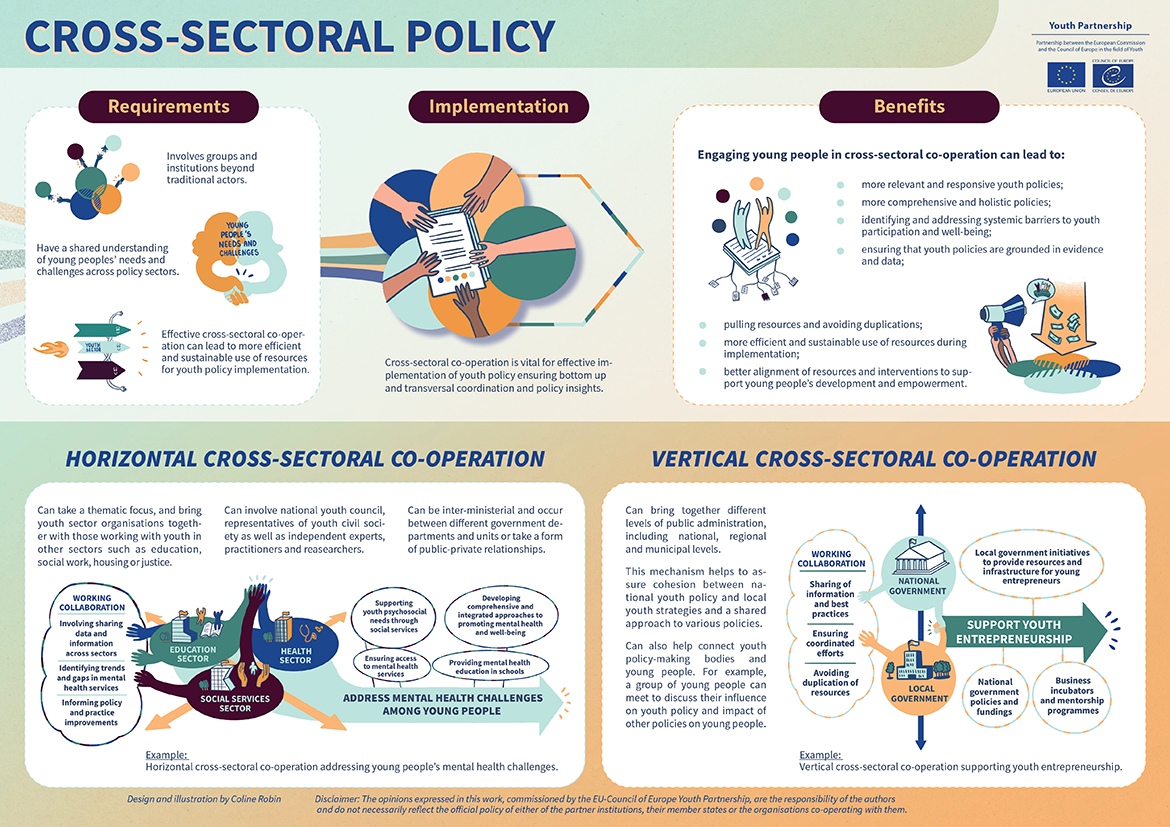
 Cross-sectoral policy
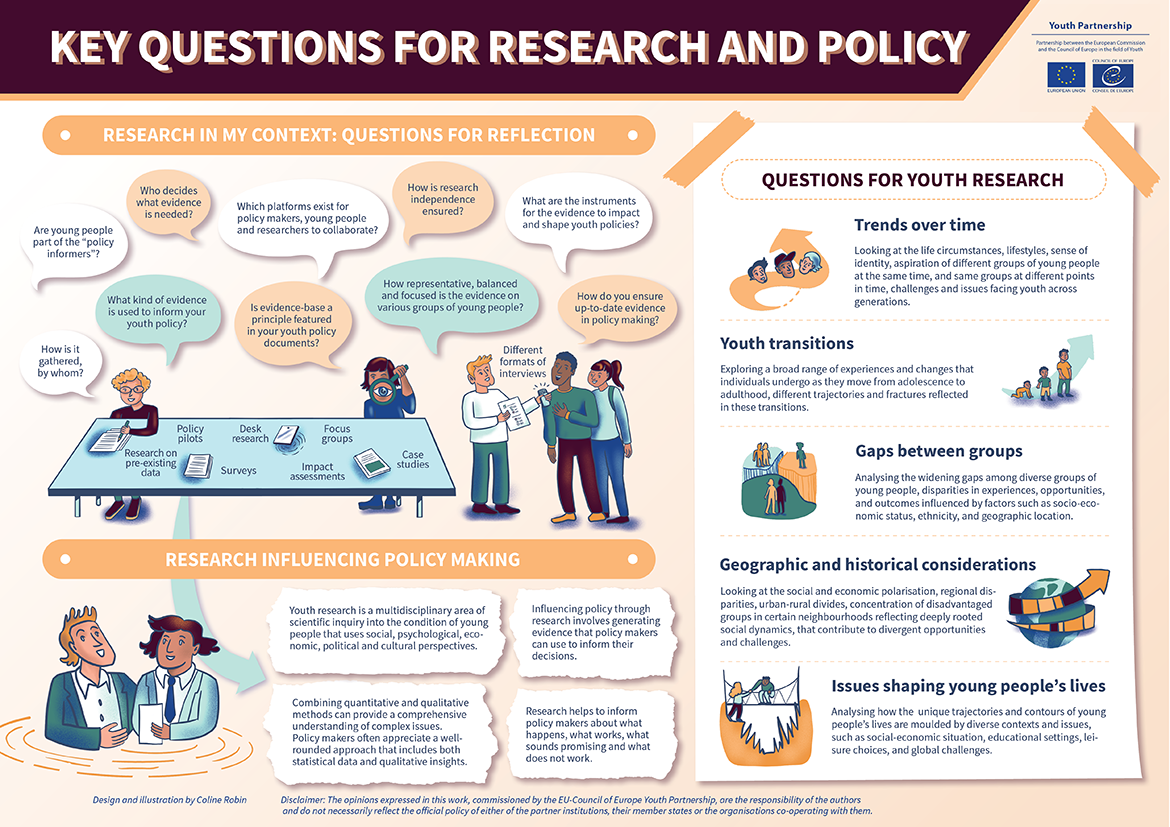
- Key questions for research and policy
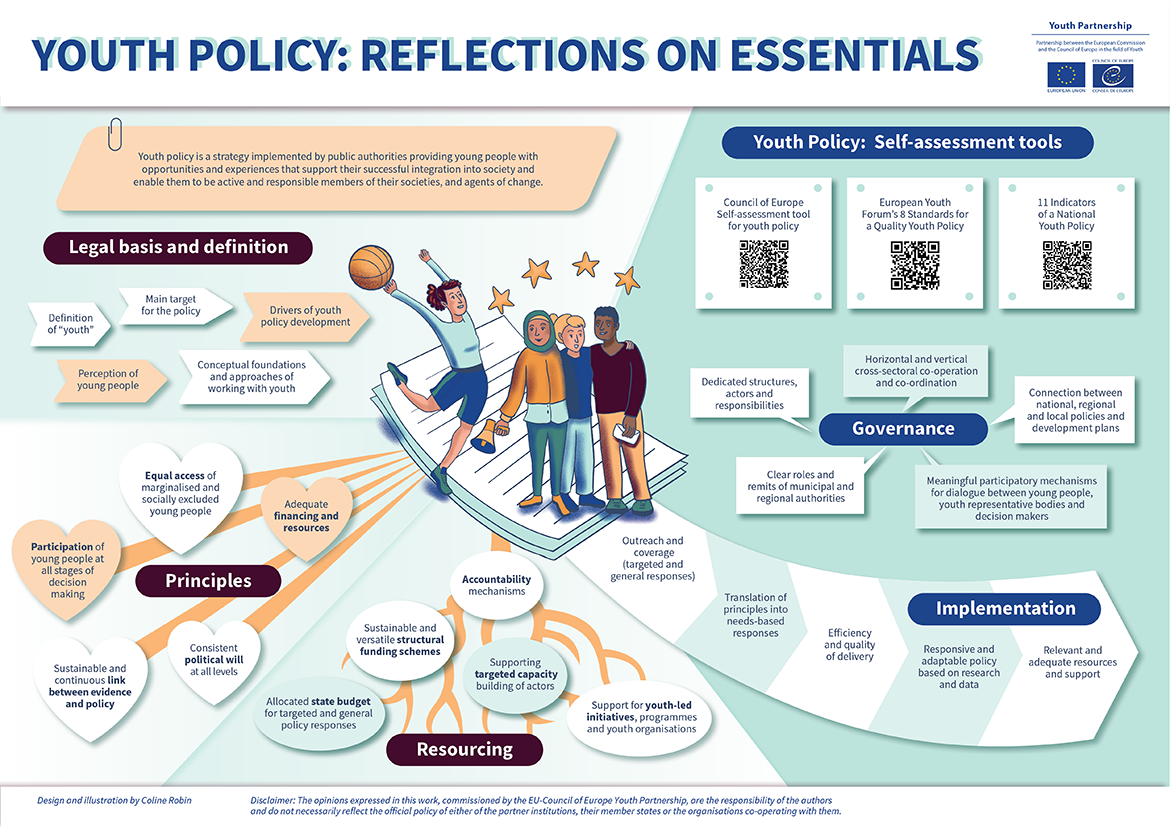
- Youth policy: reflections on essentials
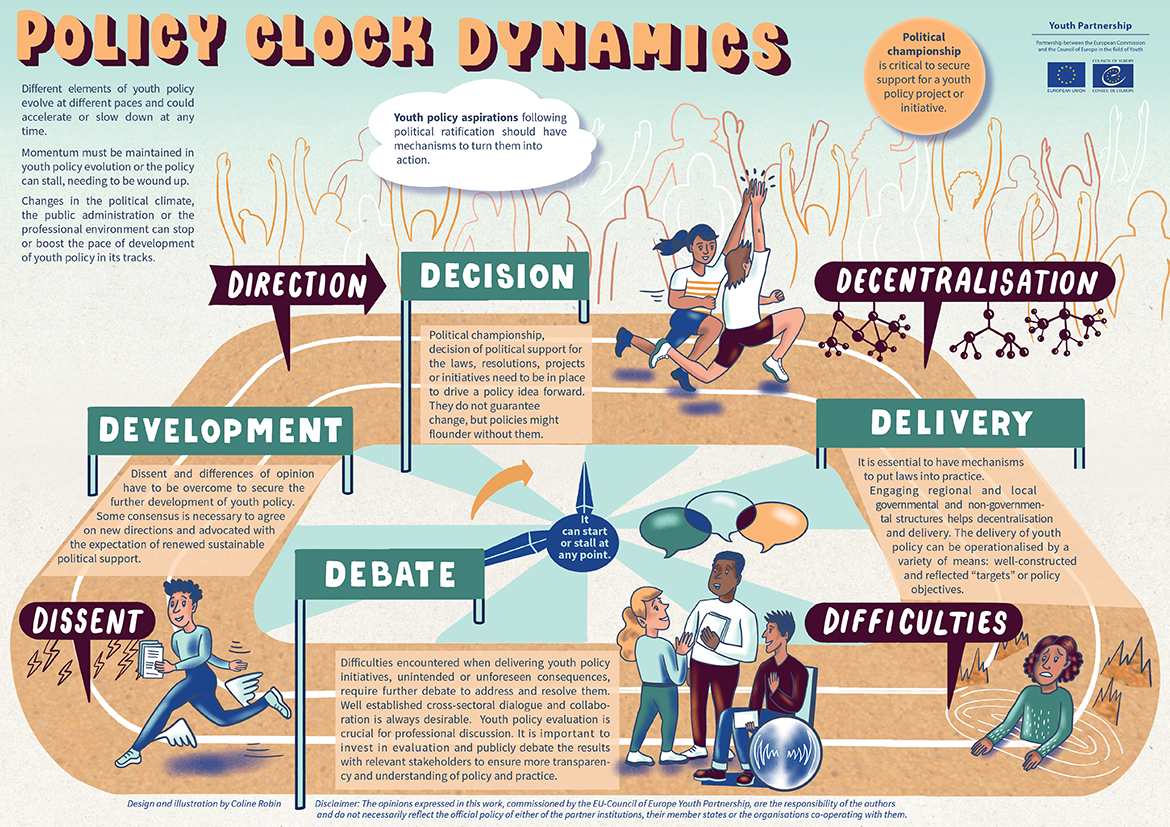
- Policy clock dynamics
- Youth policy core principles
- The entrepreneurial mindset as a key factor for youth employability and youth entrepreneurship and the role of Youth Work in Europe, by Konstantinos Stergiou and Kostas Filippidis
- State of youth learning mobility: The effects of the Covid-19 pandemic and war in Ukraine on learning mobility programmes in Europe, by Dragan Stanojević and Sintija Lase
- Young people's political participation
- Webinar: Curricula for youth worker education at EQF levels 4-5
- Joint EKCYP-PEYR annual meeting report, 2023
- What is the value of youth work in a rapidly changing world?
- What does it take for youth work to grow?
- Youth Knowledge Book #30: Transitions on hold? How the Covid-19 pandemic affected young people's transition to autonomy, edited by Ewa Krzaklewska, Howard Williamson, Amy Stapleton, Frank Tillmann
- Youth Knowledge Book #29: Youth political participation, edited by Tomaž Deželan, Cristina Bacalso, Anna Lodeserto
- Visible value – Growing youth work in Europe: Handbook to support reflection and action, by Zara Lavchyan, Dragan Atanasov and Tanya Basarab
- T-kit 15: Participatory youth policy

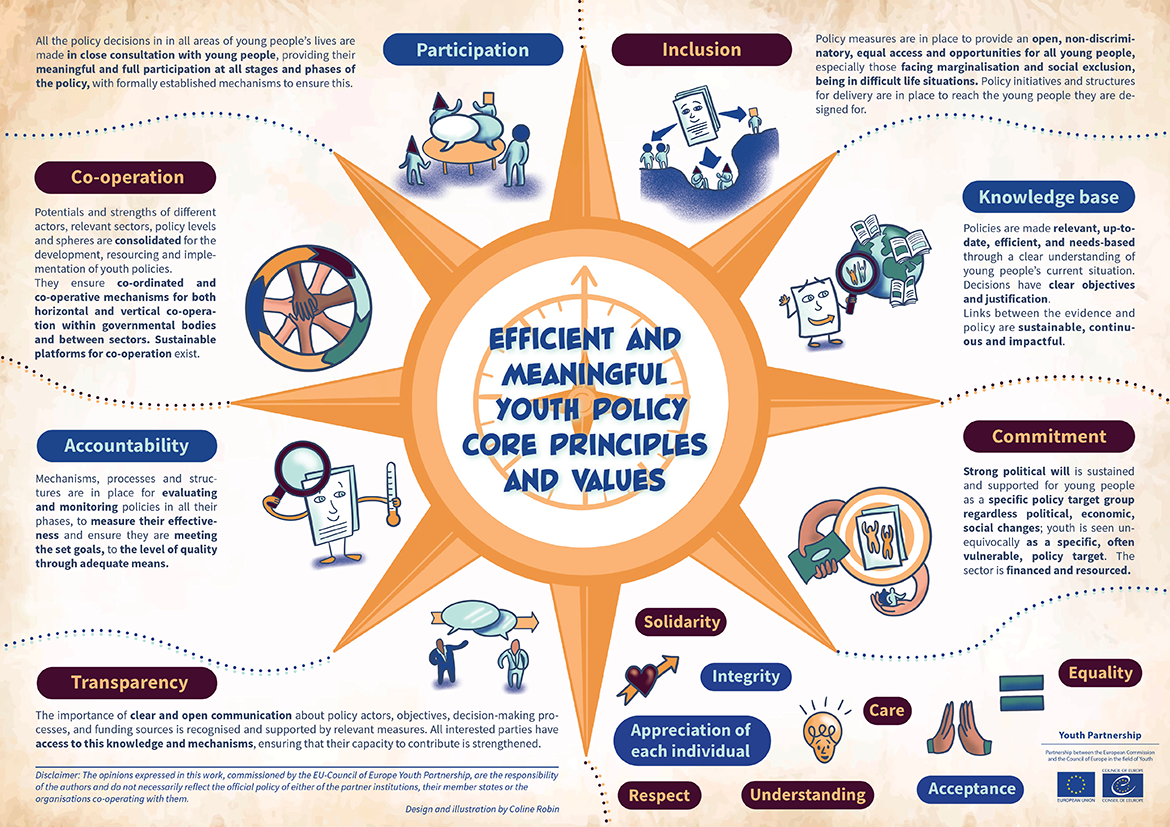

.